
Why Some Colleges Survive – and Others Don’t
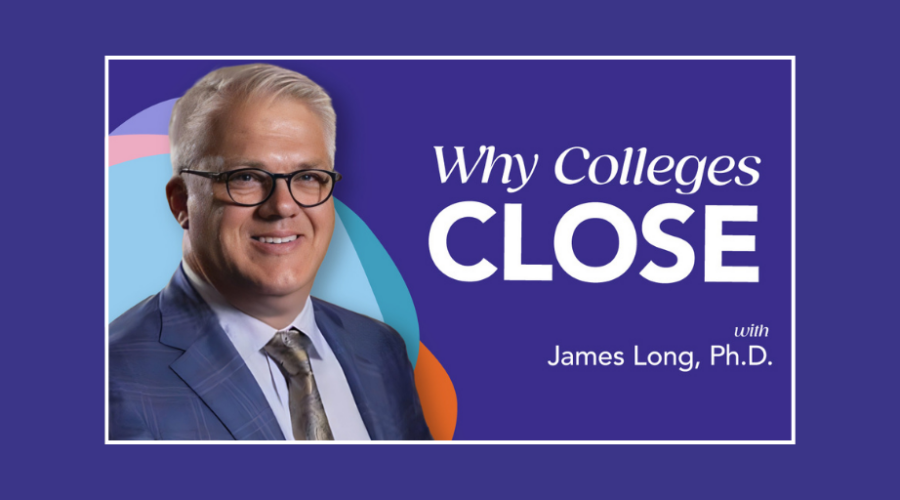
Risk in higher education rarely announces itself. It accumulates gradually through delayed decisions, familiar assumptions, and governance processes that struggle to keep pace with changing conditions. By the time a crisis becomes visible, leaders often discover that their range of options is far narrower than they expected.
In this episode of Radical Cooperation, Dr. Michael Horowitz speaks with Jim Long about how colleges move from perceived stability to real vulnerability and how boards and senior leaders can recognize those shifts earlier. Drawing on Jim’s work with institutional risk models, enrollment data, and governance practice, the conversation examines why enrollment alone is a misleading signal, how discounting and net revenue quietly reshape risk, and why certain governance patterns delay action.
Rather than forecasting which institutions will struggle, this episode focuses on strengthening judgment helping leaders interpret data more honestly and ask better questions before pressure turns into urgency.
Listen to Episode 20 of Radical Cooperation on your favorite platform:
Don’t forget to subscribe so you never miss a conversation about bold ideas and collaborative leadership in higher education.