
Why Basic Needs Are the Next Frontier in Student Success
Higher education measures success in grades, credits, and completion rates. What those metrics rarely capture is what gets in the way: a broken-down car, a missed bus, a laptop the student doesn’t own, or twenty dollars that the family can’t spare. For a significant share of students, the difference between persisting and stopping out has nothing to do with academic ability and everything to do with circumstances no syllabus accounts for.
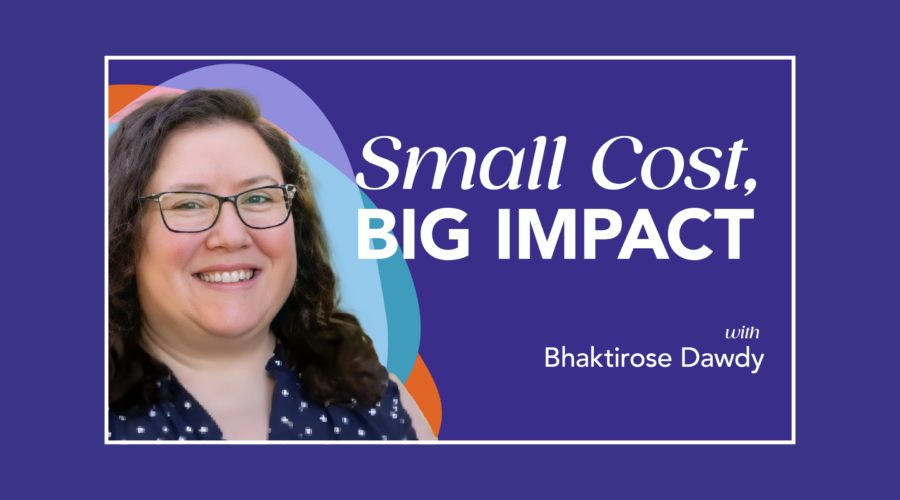
In this episode of Radical Cooperation, Dr. Michael Horowitz speaks with Bhaktirose Dawdy, Director of Student Basic Needs Initiatives at Mt. Hood Community College, about the emerging discipline of basic needs work in higher education. Drawing on Bhaktirose’s 31-year career bridging social services and education, the conversation explores what students actually need to participate in college, how Mt. Hood’s Equity and Community Resource Center was co-designed with students, and why small interventions, sometimes as small as twenty dollars or a one-month bus pass, can drive double-digit gains in retention.
Rather than framing basic needs as a peripheral student-services function, this episode focuses on what it looks like when basic needs are treated as central to institutional strategy. The conversation also examines the under-told story of community colleges, the role of national accreditation standards in legitimizing this work, and why the real first question for any college serious about student success may not be how to teach better, but how to remove the obstacles that keep students from showing up at all.
Listen to Episode 27 of Radical Cooperation on your favorite platform:
Don’t forget to subscribe so you never miss a conversation about bold ideas and collaborative leadership in higher education.