
Protecting Childhood in the Age of Screens
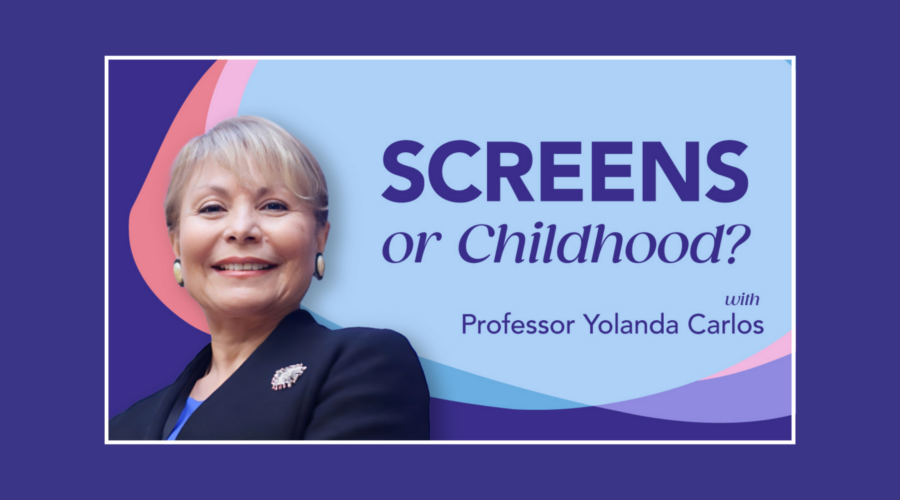
Technology now shapes almost everything we do, and it reaches children earlier than ever, often before they can speak. That has left parents and educators with a hard question: how much screen time is too much, and what does it cost a developing brain? A growing body of thinking compares heavy screen use to ultra-processed food, useful for a quick fix, but a poor substitute for what children actually need to grow.
In this episode of Radical Cooperation, Dr. Michael Horowitz speaks with Yolanda Carlos, Professor of Early Childhood Development at Pacific Oaks College & Children’s School, who brings nearly forty years of experience across every level of early childhood education. Together they explore why device bans are spreading through school districts, what technology industry parents understand about delaying screens, and how play, not software, builds the creativity and self-regulation children carry for life. Professor Carlos also shares how she prepares the next generation of teachers to use technology wisely, supporting learning without letting it replace the human connection at the heart of education.
Rather than framing technology as simply good or bad, this conversation focuses on building a healthier relationship with it, one that protects early childhood, strengthens human connection, and preserves each learner’s own voice. It is a thoughtful, practical guide for educators and parents navigating a device-driven world.
Listen to Episode 31 of Radical Cooperation on your favorite platform:
Don’t forget to subscribe so you never miss a conversation about bold ideas and collaborative leadership in higher education.